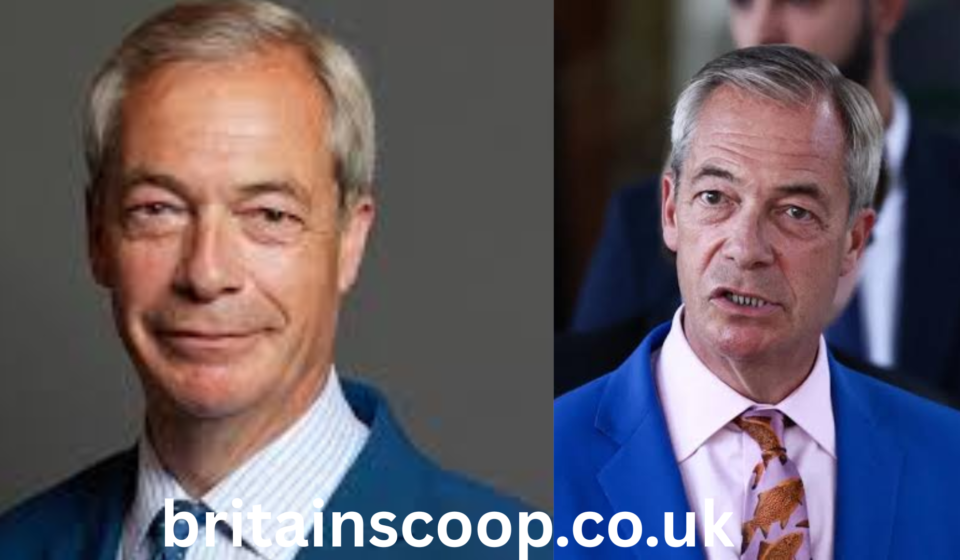

British politics has produced many influential personalities over the years, but few have generated as much discussion and controversy as nigel farage. Known for his outspoken communication style and unwavering views on national sovereignty, he has remained a prominent figure in the political landscape for decades. Whether admired for challenging the political establishment or criticized for his divisive rhetoric, his influence on modern British politics is undeniable.
Early Life and Professional Background
Born in Kent, England, Nigel Farage attended Dulwich College before beginning a career in commodity trading in the City of London. His experience in the financial sector provided him with insights into economics and international markets, which later influenced many of his political positions. Before entering frontline politics, he developed a reputation as someone who questioned conventional thinking and favored greater national independence.
Rise to Political Prominence
Farage first gained widespread recognition through his involvement with the UK Independence Party (UKIP). As one of its leading figures, he campaigned vigorously for the United Kingdom to leave the European Union. His speeches, public appearances,nigel farage and media presence helped transform Brexit from a niche political issue into one of the country’s defining debates.
His ability to connect with supporters through direct and often uncompromising messaging distinguished him from many traditional politicians. nigel farage This communication style played a significant role in broadening public awareness of issues related to immigration, trade, and national sovereignty.
The Brexit Campaign
The 2016 Brexit referendum marked a turning point in British political history. Farage became one of the most recognizable advocates for leaving the European Union, arguing that Britain would benefit from reclaiming control over its laws, borders, and trade policies.
The referendum’s outcome reshaped the nation’s political direction and sparked years of negotiations, policy changes, and public discussion. Although numerous political leaders contributed to the campaign, Farage remained one of its most visible public faces.nigel farage
Leadership Style
One of the defining characteristics of Farage’s leadership has been his willingness to challenge established institutions. He frequently positioned himself as an outsider, appealing to voters who believed mainstream political parties were disconnected from everyday concerns.
Supporters often praise his straightforward communication and commitment to his principles. Critics, meanwhile, argue that his rhetoric nigel farage has sometimes intensified political polarization. These contrasting perspectives have ensured that he remains a frequent subject of public and media attention.
Media Presence and Public Influence
Beyond politics, Farage has maintained a significant presence in television, radio, and online media. His interviews, commentary, and public appearances nigel farage continue to attract substantial audiences, allowing him to influence political discussions even outside elected office.
Social media has also expanded his reach, enabling him to communicate directly with supporters and respond quickly to current events. This digital engagement has helped sustain his relevance in an evolving media landscape.
Legacy and Continuing Relevance
Regardless of political affiliation, most observers agree that nigel farage has left a lasting imprint on British politics. His role in shaping debates surrounding Brexit, national identity, and the relationship between citizens and political institutions ensures that his influence will remain an important topic for historians and political analysts alike.
As Britain’s political environment continues to evolve, Farage’s career serves as an example of how determined campaigning, media engagement, and clear messaging can significantly impact public opinion and national policy.