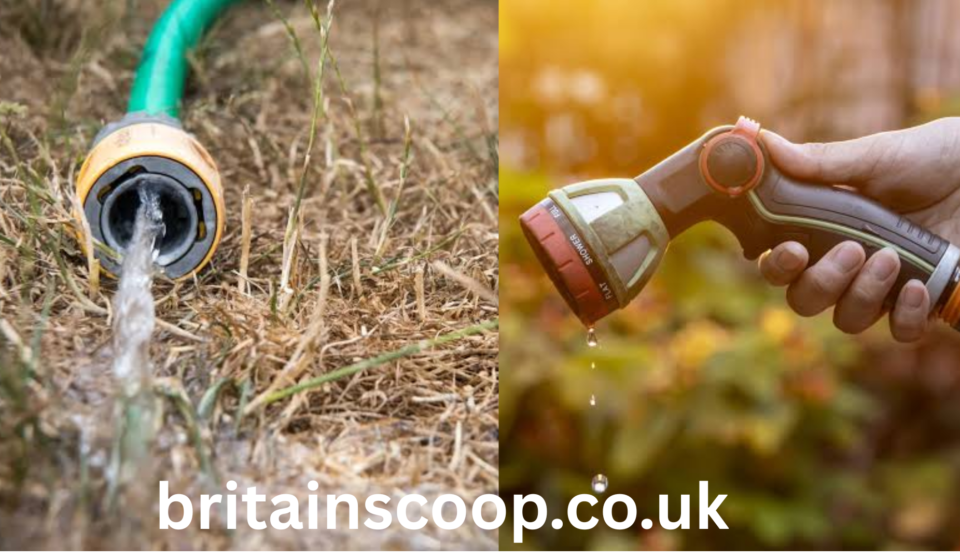

Periods of prolonged dry weather often raise concerns about water conservation, making hosepipe bans uk a topic of growing importance. Water companies across the United Kingdom may introduce temporary restrictions when reservoir levels fall and demand for water increases. These measures are designed to protect essential water supplies while encouraging responsible water use among households and businesses.
What Is a Hosepipe Ban?
A hosepipe ban, officially known as a Temporary Use Ban (TUB), is a restriction imposed by water companies to limit certain non-essential uses of water. These bans are introduced when drought conditions, low rainfall, or unusually high water hosepipe bans uk consumption threaten local water resources.
Although the rules may vary slightly between water providers, the primary objective is to reduce unnecessary water use and safeguard supplies for essential daily needs.
Why Are Hosepipe Bans Introduced?
Several factors can lead to the introduction of a hosepipe ban, including:
- Extended periods of low rainfall.
- Reduced water levels in reservoirs and rivers.
- Increased demand during hot summer weather.
- Environmental concerns affecting wildlife and ecosystems.
- The need to maintain reliable drinking water supplies.
Climate change has also contributed to more frequent weather extremes, making water conservation an increasingly important issue throughout the UK.
Common Activities That May Be Restricted
During a hosepipe ban, households are usually asked to avoid using hosepipes for non-essential purposes. Typical restrictions may include:
- Watering gardens or lawns with a hosepipe.
- Washing private vehicles.
- Filling paddling pools or ornamental ponds.
- Cleaning patios, driveways, or outdoor surfaces.
- Washing windows or walls using a hosepipe.
Many people instead use watering cans, buckets, or collected rainwater to carry out necessary outdoor tasks.
Who Must Follow the Rules?
Most residential customers supplied by the affected water company are expected to comply with the restrictions. In some situations, exemptions may apply for health, safety, accessibility, or commercial purposes. hosepipe bans uk
Businesses that rely heavily on water may be subject to different rules depending on the nature of their operations and guidance issued by the local water supplier.
Penalties for Ignoring a Ban
Failure to comply with a hosepipe ban can result in enforcement action. Water companies have the authority to issue warnings and, in some cases, financial penalties for repeated breaches.
Most providers, however, hosepipe bans uk focus on educating customers and encouraging voluntary compliance before taking formal action.
Simple Ways to Save Water
Even when restrictions are not in place, adopting water-saving habits benefits both households and the environment.
Practical conservation tips include:
- Collect rainwater for watering plants.
- Repair leaking taps and outdoor pipes promptly.
- Use watering cans instead of hosepipes.
- Water plants early in the morning or late in the evening to reduce evaporation.
- Install water-efficient appliances where possible.
- Only run washing machines and dishwashers with full loads.
These small changes can significantly reduce overall water consumption.
The Environmental Importance of Conservation
Reducing unnecessary water use helps preserve rivers, lakes, wetlands, and wildlife habitats. Conserving water also lowers the energy required for water treatment and distribution, reducing environmental impact.
Responsible water use supports long-term sustainability, hosepipe bans uk particularly during periods of prolonged drought and increasing pressure on natural resources.
Staying Informed
Water companies regularly provide updates on local restrictions through their websites, customer notifications, and media announcements. Checking official guidance ensures that residents understand when restrictions begin, what activities are hosepipe bans uk affected, and when normal water use can resume.
Being informed also helps communities work together to protect valuable water supplies during challenging weather conditions.
Final Thoughts
Awareness of hosepipe bans uk is becoming increasingly important as changing weather patterns place greater pressure on water resources. By following temporary restrictions and practicing everyday water conservation, households can help protect essential supplies, support the environment, and contribute to a more sustainable future for communities across the United Kingdom.