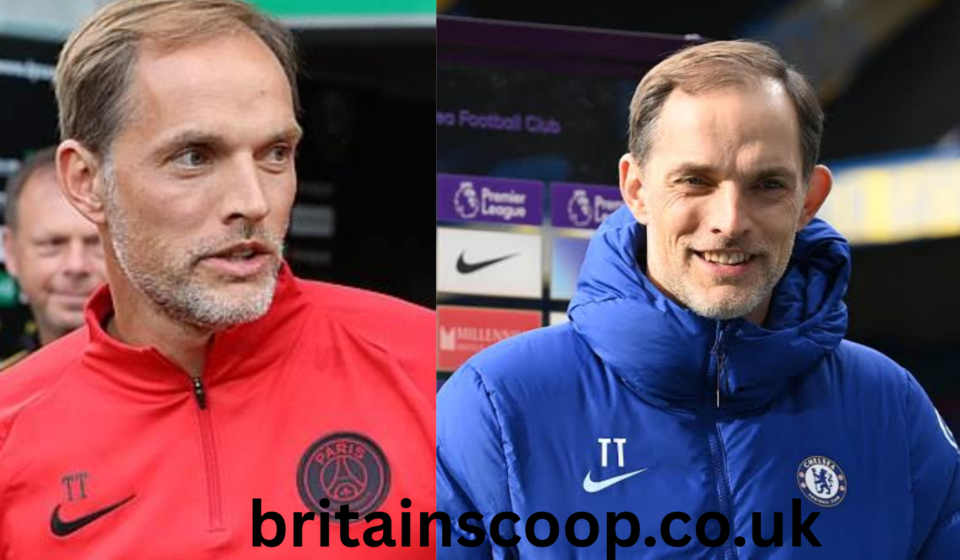

Few football managers have earned as much respect for their tactical intelligence as Thomas Tuchel. Known for his meticulous preparation, adaptable formations, and ability to improve players individually, he has built a reputation as one of the game’s elite coaches. From domestic league success to European glory, tuchel has consistently demonstrated an ability to guide teams through the highest levels of competition.
Early Coaching Journey
Thomas Tuchel began his coaching career in Germany after an injury ended his playing ambitions. Rather than stepping away from football, he immersed himself in coaching, quickly gaining recognition for his analytical approach and attention to detail.
His early managerial roles allowed him to develop a philosophy centered on intelligent pressing, positional flexibility, and structured attacking play. These ideas would later become the foundation of his success at some of Europe’s biggest clubs.
Building a Reputation in Germany
Tuchel first attracted widespread attention during his time in the Bundesliga, where he introduced modern tactical concepts and helped his teams compete against stronger opponents.
His coaching style emphasized:
- High-intensity pressing
- Quick transitions from defense to attack
- Flexible formations
- Strong defensive organization
- Intelligent ball movement
- Tactical adaptability during matches
These qualities established him as one of Germany’s brightest managerial talents.
Success on the European Stage
As his reputation grew, Tuchel took charge of several major European clubs, managing squads filled with world-class talent. His greatest achievements include winning league titles, domestic cup competitions, and the prestigious UEFA Champions League.
His teams are often praised for balancing defensive discipline with creative attacking football. Rather than relying on one fixed system, he adjusts his tactics according to the strengths of his players and the challenges posed by different opponents.
Leadership and Man-Management
Beyond tactics, Tuchel is respected for his commitment to player development. He spends considerable time helping individuals improve their technical skills, decision-making, and tactical understanding.
His leadership style includes:
- Detailed match preparation
- Individual player coaching
- Strong communication
- Tactical flexibility
- High professional standards
- Continuous performance analysis
While his demanding approach can be intense, many players have credited him with helping them reach new levels in their careers.
Tactical Philosophy
One of Tuchel’s defining characteristics is his willingness to innovate. Rather than sticking rigidly to one formation, he often switches between systems depending on the opposition or available personnel.
Common tactical features of his teams include:
- Three or four-player defensive structures
- Wing-backs providing attacking width
- Midfielders rotating positions
- Aggressive counter-pressing
- Controlled possession
- Rapid attacking transitions
This flexibility makes his teams difficult to predict and challenging to play against.
Challenges Along the Way
Like every elite manager, Tuchel has faced difficult periods throughout his career. Injuries, squad transitions, and demanding expectations at top clubs have tested his leadership.
Despite these challenges, he has consistently shown resilience by adapting his strategies and maintaining competitive performances across different leagues and competitions.
Influence on Modern Football
Tuchel has become one of the most influential tactical thinkers of his generation. Many coaches study his methods for organizing defensive structures while maintaining attacking creativity.
His emphasis on preparation, flexibility, and teamwork reflects broader trends in modern football, where success increasingly depends on tactical intelligence as much as individual talent.
Looking Ahead
As football continues to evolve, Tuchel remains one of the sport’s most respected managers. His ability to build competitive teams, develop players, and succeed in high-pressure environments ensures that he will continue to play a significant role at the highest level of the game.
Whether leading a club or working on the international stage, his tactical expertise and commitment to excellence continue to attract attention from fans and football analysts around the world.
Final Thoughts
Thomas Tuchel has earned his place among football’s elite managers through innovation, discipline, and consistent success. His achievements demonstrate that careful planning, adaptability, and strong leadership can transform talented squads into championship-winning teams. As new challenges emerge, his influence on modern football is likely to remain strong for years to come.